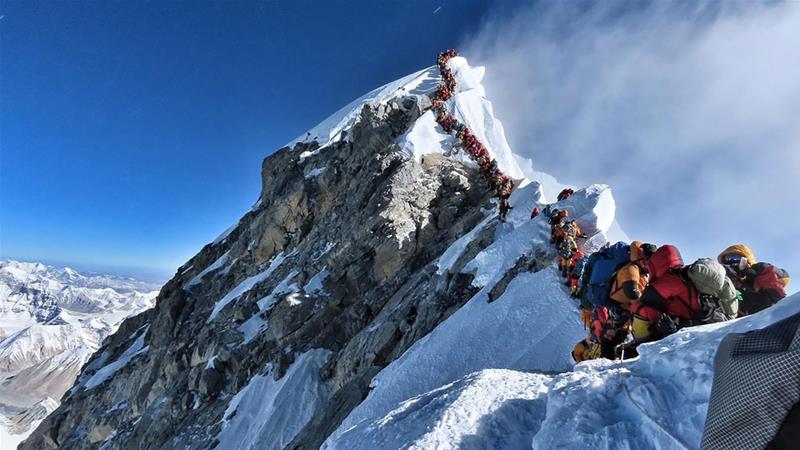
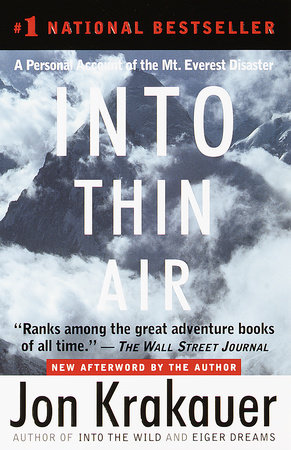
Into Thin Air is a non-fiction novel where author Jon Krakauer describes his journey as he ascends and descends the tallest mountain on this planet. It was a very emotional and heartbreaking novel as I got to know and enjoy the characters, only to have them die from lack of oxygen or exhaustion.

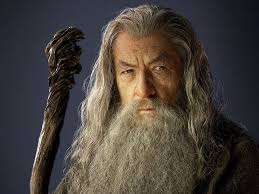
The theory that provided the most insight was the archetypal literary criticism. The topic this blog is going to be surrounded by is “The Hero’s Journey” compared to Into Thin Air plot. Into Thin Air closely follows the archetypal hero’s journey. A 12 step model that describes the adventure of the protagonist or hero is known as “The Hero’s Journey.
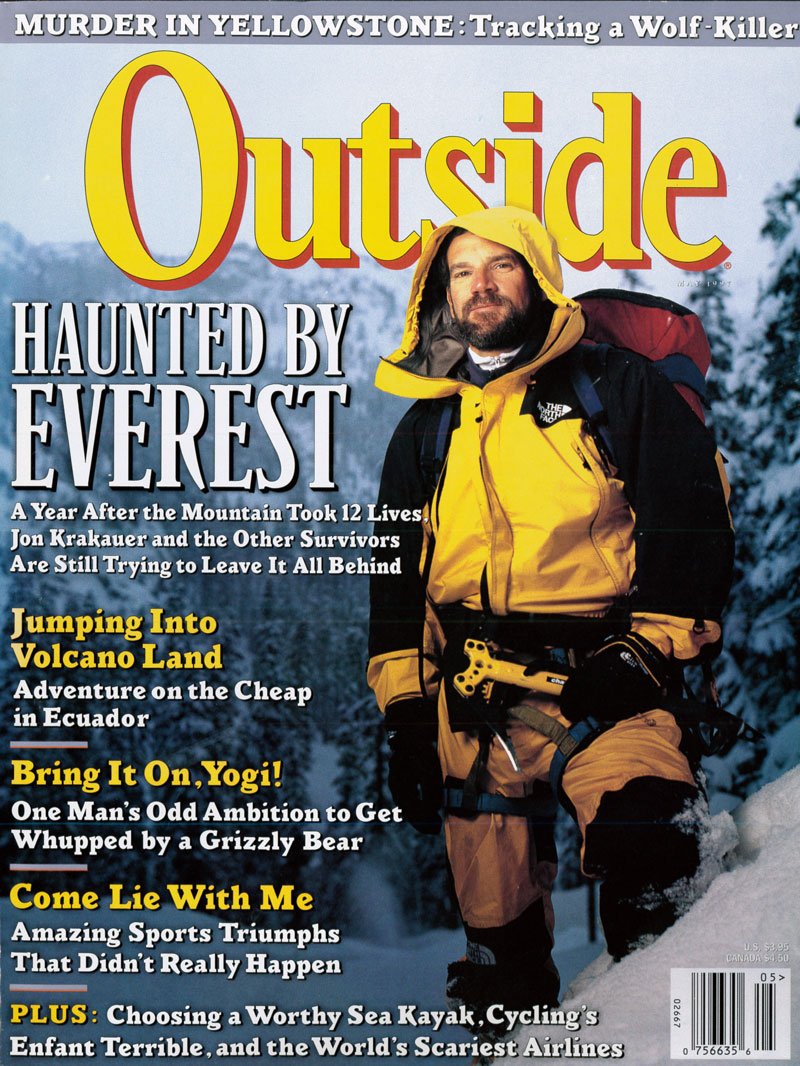
During the first part of the book where the author is setting the stage, he mentions that <a href="http://"Outside Magazine, May 1997." Outside Online. 09 Feb. 2017. 22 July 2019 Outside magazine called him over a year before he went on the 1996 Everest trip to try to convince him to come document the commercialization of the mountain. His initial decision was not to attend the trip due to him staying at base camp for two moths, but he did confess that “…the call from Outside had unexpectedly aroused a powerful, long-buried desire [to climb Everest].” (Krakauer 27), which I think symbolizes his call to adventure.
The “Supernatural Aid” is more of an “extraordinary exception” in this stories case and comes when the editor of the magazine finds a way to increase the budget for the project an incredible amount to accommodate Rob Hall’s guiding price; allowing Jon to climb Everest. The author crosses the threshold into the unknown when he travels to the Himalayas to meet his guides and group members, where he questions some of their capabilities.
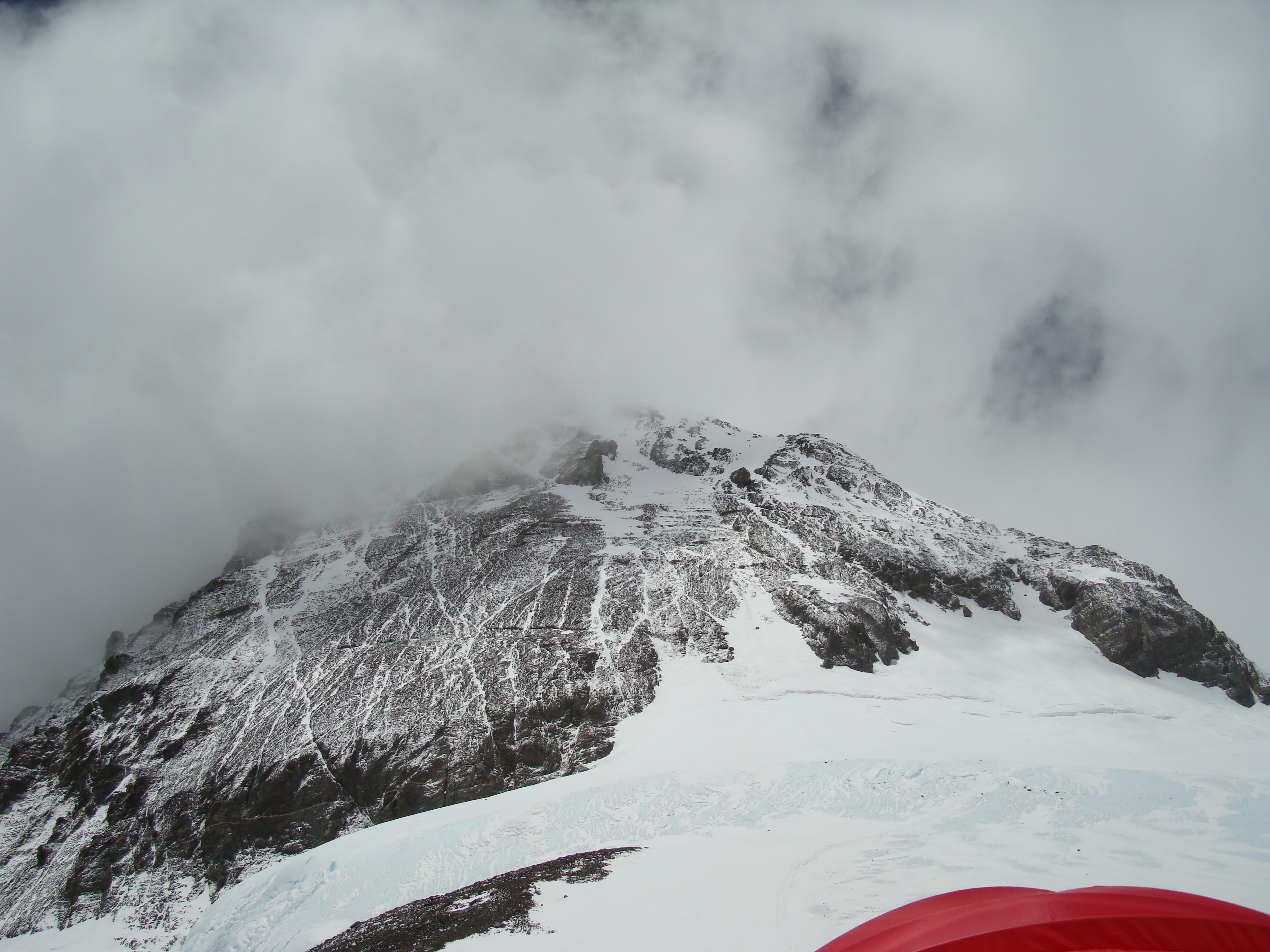
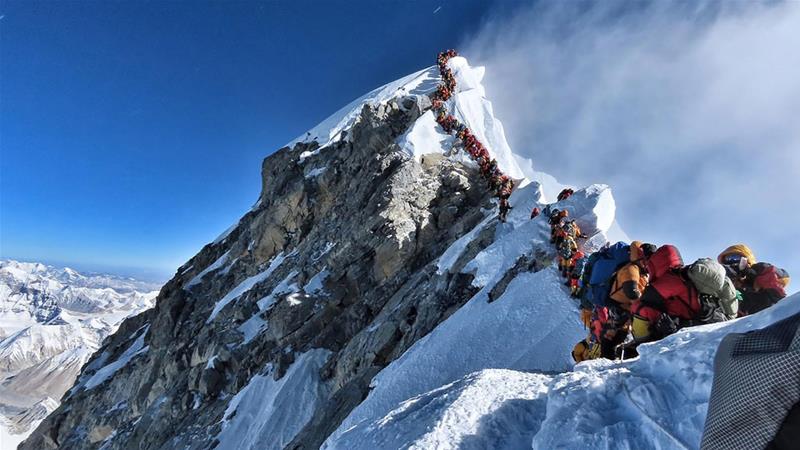
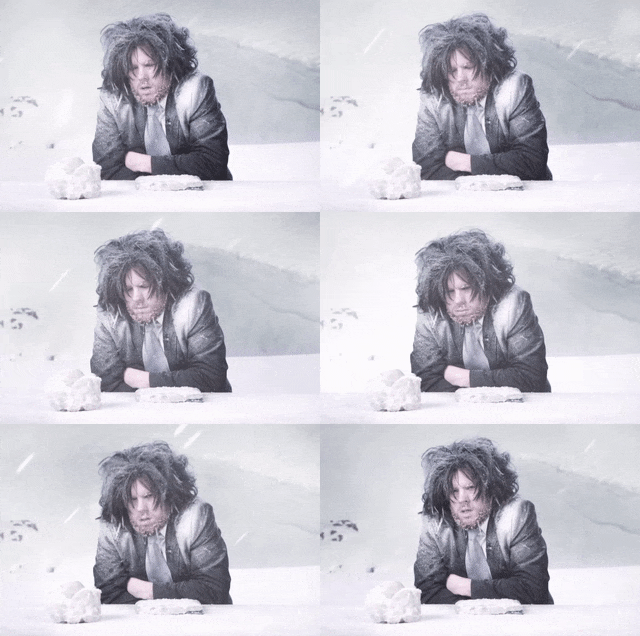
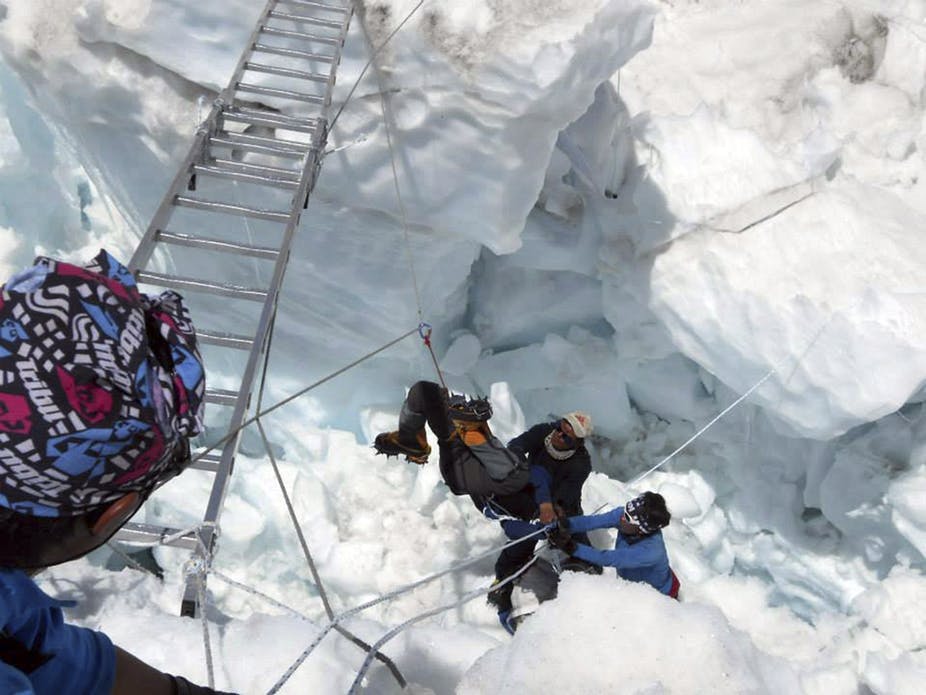
The challenge occurs during the descend of the expedition as if they had not already gone through a lot of facing problems. It is very difficult to predict the weather on Mount Everest. One thing that is known is the weather can change in an instant and can get worse as you reach the summit (Meteoexploration). During the descent of Everest a violent and unexpected storm hits. The climbers found it difficult to descend since “wind-whipped granules of ice and snow struck the climbers’ faces with violent force, lacerating their eyes and making it impossible to see where they were going” (Krakauer 242).The white out conditions made the clouds “so thick visibility was reduced to no more than 100 feet” ( Krakauer 252). The storm leaves climbers on the mountain lost and slowly dying. Everest claimed the lives of 8 climbers that day making it the worst loss of life in a single day on the mountain. On his own Jon had picked out “landmarks that would be helpful on the descent, compulsively memorizing the terrain” ( Krakauer 200). I believe in doing this, along with his physical condition and improved climbing skills allowed Jon to progress through the storm quicker than many of the other climbers thus surviving the elements.
Jon is successful in overcoming his dangerous ordeal with the environment. He battled the high altitude, difficult terrain and the violent weather in order to survive his trek and continue along his archetypal hero’s journey.
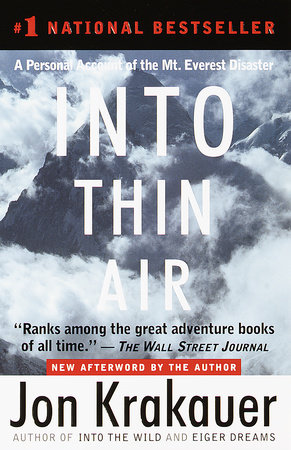
There are loads of reasons why this book turned out to be exceptionally effective: it is a direct record of a questionable occasion, a very elegantly composed content, and it permits readers a very close perspective on human mortality. In any case, I feel that a noteworthy reason this book resonated with such a significant number of individuals, who mostly have never climbed a mountain, is because it tells the age-old story of the hero that goes into the unknown, slays the dragon, and then returns home victorious.
After reading this book, it allowed me to take a lot of from it. The archetypal criticism reflection challenged me to try and understand the perspective of “The Hero’s Journey”.
Works Cited
Novel
“Into Thin Air.” Google Play. Google. 21 July 2019 <https://play.google.com/books/reader?id=gt7EQgH8-b4C&pg=GBS.PT28>.
Secondary Sources
“Mount Everest.” Wikipedia. 07 July 2019. Wikimedia Foundation. 21 July 2019 <https://en.wikipedia.org/wiki/Mount_Everest>.
Krakauer, Jon. “Into Thin Air by Jon Krakauer.” Pan Macmillan. 21 July 2019 <https://www.panmacmillan.com/authors/jon-krakauer/into-thin-air/9781447200185>.
LitCharts. “Into Thin Air Characters.” LitCharts. 21 July 2019 <https://www.litcharts.com/lit/into-thin-air/characters>.
Sign In. 21 July 2019 <https://tvdsb.elearningontario.ca/d2l/le/content/14267816/fullscreen/109746636/View?d2lSessionVal=bNtS4DHrbyK7QJ1KMKy5FoEym&ou=14267816&d2l_body_type=3&retargetQuicklinks=true&skipHeader=true>.
Images
Cheung, Helier. “Mount Everest: Why the summit can get so crowded.” BBC News. 24 May 2019. BBC. 21 July 2019 <https://www.bbc.com/news/world-asia-48401491>.
Wood, David. “Summary of the Hero’s Journey.” LinkedIn SlideShare. 13 Jan. 2015. 21 July 2019 <https://www.slideshare.net/prototypo/heros-journey-20150112>.










 Namita Patel